

Yo! I'm running a supplier business focused on LPG pumps. Recently, I've been super into researching the new technologies in LPG pump design. It's like a whole new world out there, and I'm excited to share what I've found.
Let's first talk about the basics. LPG pumps are crucial in various industries, especially those dealing with liquefied petroleum gas storage and transportation. From gas stations to industrial plants, these pumps play a vital role in handling LPG safely and efficiently.
One of the most significant new technologies in LPG pump design is the use of advanced materials. Traditional LPG pumps were often made of basic metals that were prone to corrosion and wear. But now, manufacturers are turning to high - performance alloys and composite materials. These new materials offer better resistance to the harsh LPG environment. For instance, some pumps are now using stainless - steel alloys that have a higher nickel and molybdenum content. This not only makes the pump more durable but also ensures that it can withstand the corrosive nature of LPG over a longer period.
Another cool innovation is the development of smart pump technology. With the rise of the Internet of Things (IoT), LPG pumps are getting smarter. These smart pumps are equipped with sensors that can monitor various parameters such as pressure, temperature, and flow rate in real - time. The data collected by these sensors is then transmitted to a central control system. This allows operators to keep a close eye on the pump's performance and detect any potential issues before they turn into major problems. For example, if the pressure inside the pump suddenly spikes, the system can send an alert to the operator, who can then take immediate action to prevent a breakdown. It's like having a super - intelligent watchdog for your pump.
In terms of energy efficiency, new LPG pumps are a game - changer. Older pump designs often consumed a large amount of energy, which not only increased operating costs but also had a negative impact on the environment. Modern LPG pumps, on the other hand, are designed with energy - saving features. Some pumps use variable frequency drives (VFDs) that can adjust the pump's speed according to the actual demand. This means that the pump doesn't have to run at full speed all the time, saving a significant amount of energy. Additionally, improvements in the impeller design have also contributed to higher efficiency. New impellers are designed to reduce friction and turbulence, allowing the pump to move LPG more smoothly and with less energy.
Sealing technology has also seen some major advancements. In an LPG pump, a good seal is essential to prevent any leakage of the highly flammable gas. Old - style seals were sometimes prone to wear and tear, leading to potential safety hazards. New sealing technologies use advanced materials and designs to provide a more reliable and long - lasting seal. For example, some pumps now use mechanical seals with graphite - based faces that offer excellent friction resistance and can maintain a tight seal even under high - pressure conditions.
Let's not forget about the digital control systems. These systems have made the operation of LPG pumps much more user - friendly. Operators can now control the pump through a touch - screen interface, which simplifies the process and reduces the chances of human error. The digital control systems also allow for remote operation, meaning that operators can start, stop, and adjust the pump from a distance. This is especially useful in large industrial plants where the pump may be located in a hard - to - reach area.
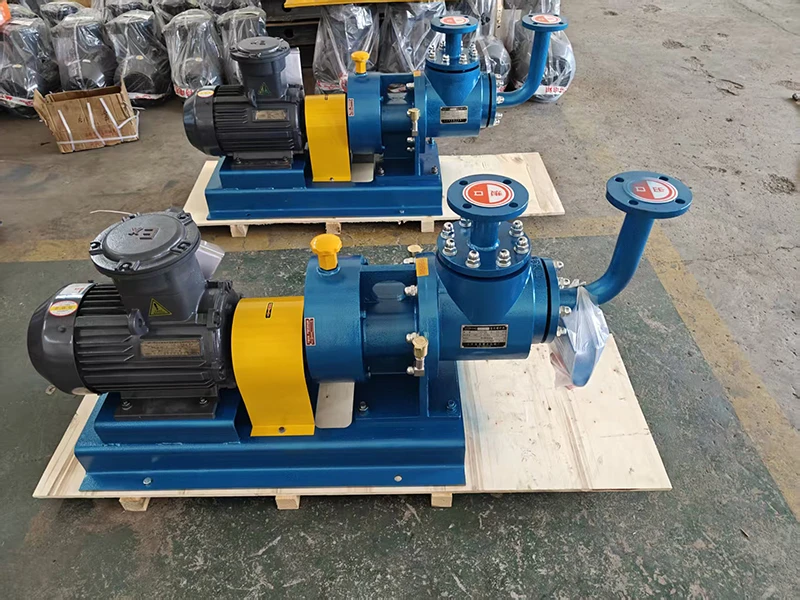
If you're in the market for an LPG pump, you might be interested in our LPG Transfer Pump. It incorporates many of these new technologies. Whether you need a pump for a small gas station or a large industrial facility, we've got you covered.
The new technologies in LPG pump design are making these pumps more reliable, efficient, and safe. As a supplier, I'm really excited to be part of this evolving industry. If you have any questions about our LPG pumps or are interested in purchasing one, don't hesitate to reach out. We're here to help you find the perfect pump for your needs and ensure that it meets the highest standards of quality and performance. So, let's start that procurement conversation and get you the best LPG pump on the market!
References
- Industry reports on LPG pump technologies
- Technical papers from pump manufacturers and research institutions