

Hey there! As an LPG equipment supplier, I often get asked about how to upgrade LPG equipment. Upgrading your LPG equipment is crucial for safety, efficiency, and compliance. In this blog post, I'm going to share some practical tips on how you can upgrade your LPG equipment like a pro.
Why Upgrade Your LPG Equipment?
First things first, let's talk about why you should even bother upgrading your LPG equipment. Safety is the number one reason. Old LPG equipment can be prone to leaks, malfunctions, and other hazards. Upgrading to newer models ensures that you're using the latest safety features and technology, which can prevent accidents and protect your staff and customers.
Another reason is efficiency. Newer LPG equipment is often more energy - efficient, which can save you money on fuel costs in the long run. It can also increase the speed and accuracy of operations, like refueling or filling cylinders, which means you can serve more customers in less time.
Lastly, compliance. Regulations regarding LPG equipment are constantly evolving, and upgrading can help you stay in line with the latest standards. This can save you from potential fines and legal issues down the road.
Assessing Your Current Equipment
Before you start upgrading, you need to take a good look at your existing LPG equipment. Make a list of all the equipment you have, including LPG Refueling Dispenser, LPG Control Valve, LPG Filling Electronic Scale, LPG Cylinder Electronic Scale, and LPG Transfer Pump.
Check the age, condition, and performance of each piece of equipment. Look for signs of wear and tear, such as rust, leaks, or unusual noises. You can also review the maintenance records to see if there have been any recurring problems.
Based on your assessment, you can prioritize which equipment needs to be upgraded first. For example, if your LPG refueling dispenser is old and inaccurate, it might be a top priority to replace it.
Researching New Equipment
Once you know what needs to be upgraded, it's time to start researching new equipment. Look for products that are reliable, efficient, and meet the latest safety standards. You can check online reviews, industry forums, and trade shows to get an idea of the best brands and models.
When researching, pay attention to the features of each product. For instance, a modern LPG control valve might have better flow control and leak prevention features compared to an older model. Similarly, a new LPG filling electronic scale may offer more accurate measurements and advanced calibration options.
You should also consider the compatibility of the new equipment with your existing systems. For example, if you're upgrading your LPG transfer pump, make sure it can work with your current piping and storage tanks.
Budgeting for the Upgrade
Upgrading LPG equipment can be a significant investment, so it's important to create a budget. Start by estimating the cost of the new equipment, including any installation and training fees. Don't forget to factor in the potential savings from increased efficiency and reduced maintenance costs in the long run.
You may also want to explore financing options. Some equipment suppliers offer financing plans or leasing options, which can make the upgrade more affordable. You can also check if there are any government incentives or grants available for upgrading to more energy - efficient or safer equipment.
Finding a Reliable Supplier
As an LPG equipment supplier myself, I know how important it is to work with a reliable company. Look for a supplier that has a good reputation, offers high - quality products, and provides excellent customer service.
A reliable supplier should be able to help you with product selection, installation, and maintenance. They should also offer warranties and after - sales support. You can ask for references from other customers or check the supplier's online ratings and reviews.
When you contact a supplier, be clear about your requirements and budget. They can then recommend the best equipment for your needs and provide you with a detailed quote.
Installation and Training
Once you've purchased the new equipment, it's time for installation. Make sure the installation is carried out by qualified technicians. They have the knowledge and experience to install the equipment correctly and safely.
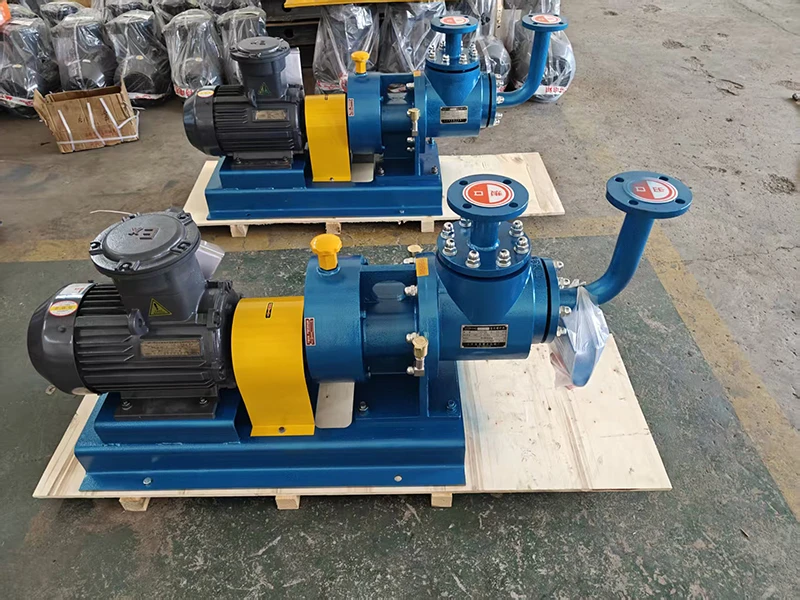

After the installation, your staff will need to be trained on how to use the new equipment. A good supplier will offer training programs to ensure that your employees know how to operate the equipment efficiently and safely. This can help prevent accidents and ensure the longevity of the equipment.
Maintenance and Monitoring
Upgrading your LPG equipment is not a one - time thing. You need to establish a regular maintenance schedule to keep the equipment in good working condition. This includes checking for leaks, calibrating scales, and replacing worn - out parts.
It's also a good idea to monitor the performance of the equipment. Keep track of things like fuel consumption, filling accuracy, and dispenser flow rate. If you notice any changes or problems, address them promptly to avoid more serious issues.
Endnote
Upgrading your LPG equipment is a smart decision that can improve safety, efficiency, and compliance. By following the steps outlined in this blog post, you can upgrade your equipment smoothly and cost - effectively.
If you're interested in upgrading your LPG equipment, don't hesitate to reach out. We're here to help you find the best solutions for your needs. Whether you need a new LPG Refueling Dispenser, LPG Control Valve, or any other LPG equipment, we've got you covered.
References
- Industry guidelines on LPG equipment safety and maintenance.
- Manufacturer's manuals for various LPG equipment.
- Online resources on the latest trends in LPG equipment technology.