

Hey there! As an LPG pump supplier, I've been in the thick of the LPG industry for quite a while. And one question that keeps popping up is, "What are the flow control methods for an LPG pump?" Well, let's dive right in and explore this topic together.
Why Flow Control Matters
First off, why do we even need flow control for an LPG pump? Well, LPG, or liquefied petroleum gas, is a highly volatile and flammable substance. Proper flow control ensures that the transfer of LPG is not only efficient but also safe. Whether you're filling up a storage tank or transferring LPG to a vehicle, having the right flow rate is crucial.
Manual Flow Control
One of the most basic methods of flow control is manual control. This involves using valves to adjust the flow of LPG. It's a simple and straightforward method that's been around for ages. You can use a hand - operated valve to open or close the flow path, and by adjusting the valve opening, you can control the amount of LPG that passes through the pump.
The advantage of manual flow control is its simplicity. It doesn't require any fancy equipment or complex programming. You just turn the valve, and you're in control. However, it also has its drawbacks. Manual control is highly dependent on the operator's skill and attention. If the operator isn't careful, they could end up with an incorrect flow rate, which can lead to safety issues or inefficient transfer.
Automatic Flow Control
Now, let's talk about automatic flow control. This is where things get a bit more high - tech. Automatic flow control systems use sensors and controllers to regulate the flow of LPG. These systems can be programmed to maintain a specific flow rate based on the requirements of the application.
There are different types of automatic flow control systems. One common type is the flow meter - based system. A flow meter measures the amount of LPG passing through the pump, and the controller adjusts the pump speed or valve opening accordingly. For example, if the flow rate is too low, the controller can increase the pump speed to boost the flow.
Another type of automatic flow control system uses pressure sensors. These sensors measure the pressure in the LPG pipeline, and the controller adjusts the flow to maintain a constant pressure. This is especially useful in applications where pressure stability is crucial, such as in some industrial processes.
The main advantage of automatic flow control is its precision and consistency. It can ensure that the flow rate is always within the desired range, regardless of external factors like temperature or pressure changes. However, these systems can be more expensive to install and maintain compared to manual systems.
Variable Frequency Drives (VFDs)
Variable Frequency Drives, or VFDs, are another popular method of flow control for LPG pumps. A VFD is an electronic device that controls the speed of an electric motor by varying the frequency of the electrical power supplied to it.
When it comes to LPG pumps, a VFD can be used to adjust the pump speed. By changing the pump speed, you can control the flow rate of LPG. For example, if you need a lower flow rate, the VFD can reduce the pump speed, and if you need a higher flow rate, it can increase the speed.
VFDs offer several benefits. They are energy - efficient because they only use as much power as needed to achieve the desired flow rate. They also provide smooth and precise control, which can help extend the life of the pump. However, like automatic flow control systems, VFDs can be relatively expensive and require some technical expertise to install and operate.
Bypass Valves
Bypass valves are a simple yet effective flow control method. A bypass valve allows a portion of the LPG to be diverted from the main flow path. By adjusting the amount of LPG that is bypassed, you can control the flow rate in the main pipeline.
This method is often used in situations where you need to maintain a certain minimum flow rate in the pump. For example, if the demand for LPG is low, the bypass valve can divert some of the LPG back to the storage tank, ensuring that the pump doesn't run dry.
Bypass valves are relatively inexpensive and easy to install. However, they may not be as precise as other flow control methods, especially when it comes to achieving a very specific flow rate.
Choosing the Right Flow Control Method
So, how do you choose the right flow control method for your LPG pump? Well, it depends on several factors.
First, consider the application. If you're dealing with a small - scale operation, like a home - based LPG filling station, a manual flow control method might be sufficient. It's simple and cost - effective. However, if you're running a large industrial operation, where precision and consistency are crucial, an automatic flow control system or a VFD might be a better choice.
Second, think about your budget. Automatic flow control systems and VFDs can be more expensive upfront, but they can also save you money in the long run by improving efficiency and reducing maintenance costs. On the other hand, manual flow control and bypass valves are more budget - friendly.
Finally, consider the level of technical expertise available. If you don't have a lot of technical staff, a simple manual or bypass valve system might be easier to manage. But if you have a team of experts, you can take advantage of more advanced flow control methods.
Our LPG Transfer Pumps
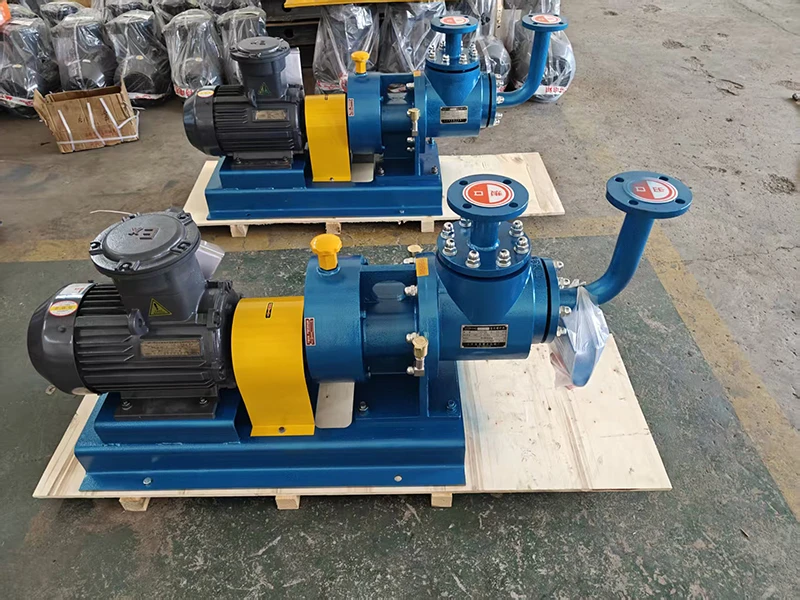
At our company, we offer a wide range of LPG Transfer Pump that are designed to work with different flow control methods. Whether you need a pump for a small - scale application or a large industrial operation, we've got you covered.
Our pumps are built to last, with high - quality materials and advanced manufacturing techniques. We also provide comprehensive support and maintenance services to ensure that your pumps are always running smoothly.
If you're in the market for an LPG pump and need help with flow control, don't hesitate to reach out. We can work with you to determine the best flow control method for your specific needs and provide you with the right pump and equipment.
Conclusion
In conclusion, there are several flow control methods for LPG pumps, each with its own advantages and disadvantages. Manual flow control is simple and cost - effective, while automatic flow control and VFDs offer precision and efficiency. Bypass valves are a useful option for maintaining minimum flow rates.
Choosing the right flow control method depends on your application, budget, and technical expertise. At our company, we're here to help you make the right choice and provide you with the best LPG pump solutions.
If you're interested in learning more about our LPG pumps or need assistance with flow control, please contact us. We're ready to have a chat and help you find the perfect solution for your LPG transfer needs.
References
- Smith, J. (2020). LPG Pump Technology and Applications. Industrial Press.
- Johnson, R. (2019). Flow Control in Liquefied Petroleum Gas Systems. Journal of Energy Management.